The Complete Collection & Life Timeline
Johann Sebastian Bach
Journey through the life and masterpieces of the Baroque era's supreme master of counterpoint. Discover the stories behind music written across a lifetime of devout service, family tragedy, and quiet, towering genius.
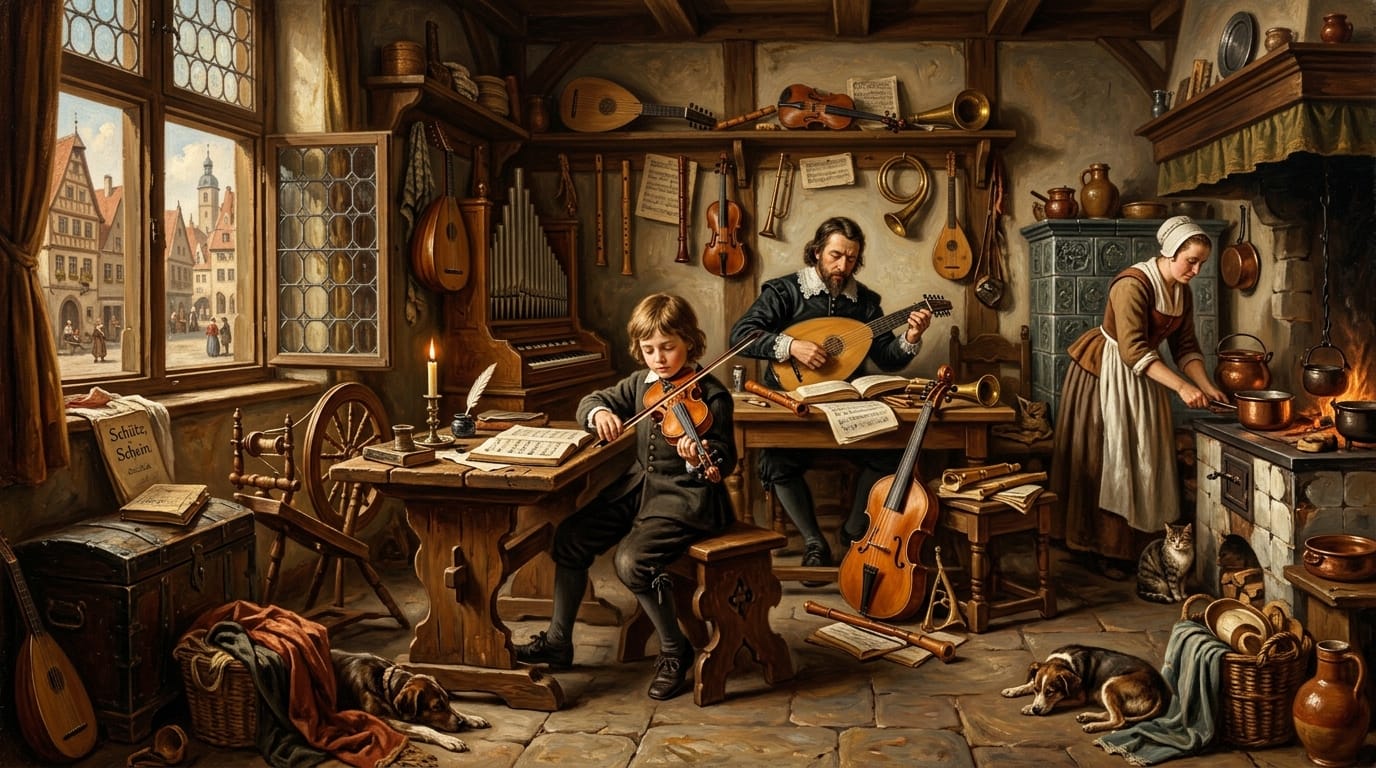
Johann Sebastian Bach was born on March 21, 1685 (by the Julian calendar still used in Lutheran Germany at the time; March 31 on today's Gregorian calendar), in Eisenach, a small town in the Duchy of Saxe-Eisenach. He was the eighth and youngest child of Johann Ambrosius Bach, a town musician (Stadtpfeifer) responsible for providing music at civic and church events, and Maria Elisabeth Lämmerhirt. The Bach family had been producing professional musicians for generations across central Germany, so young Sebastian grew up immersed in a family trade as much as an art, likely receiving his first violin instruction from his father.
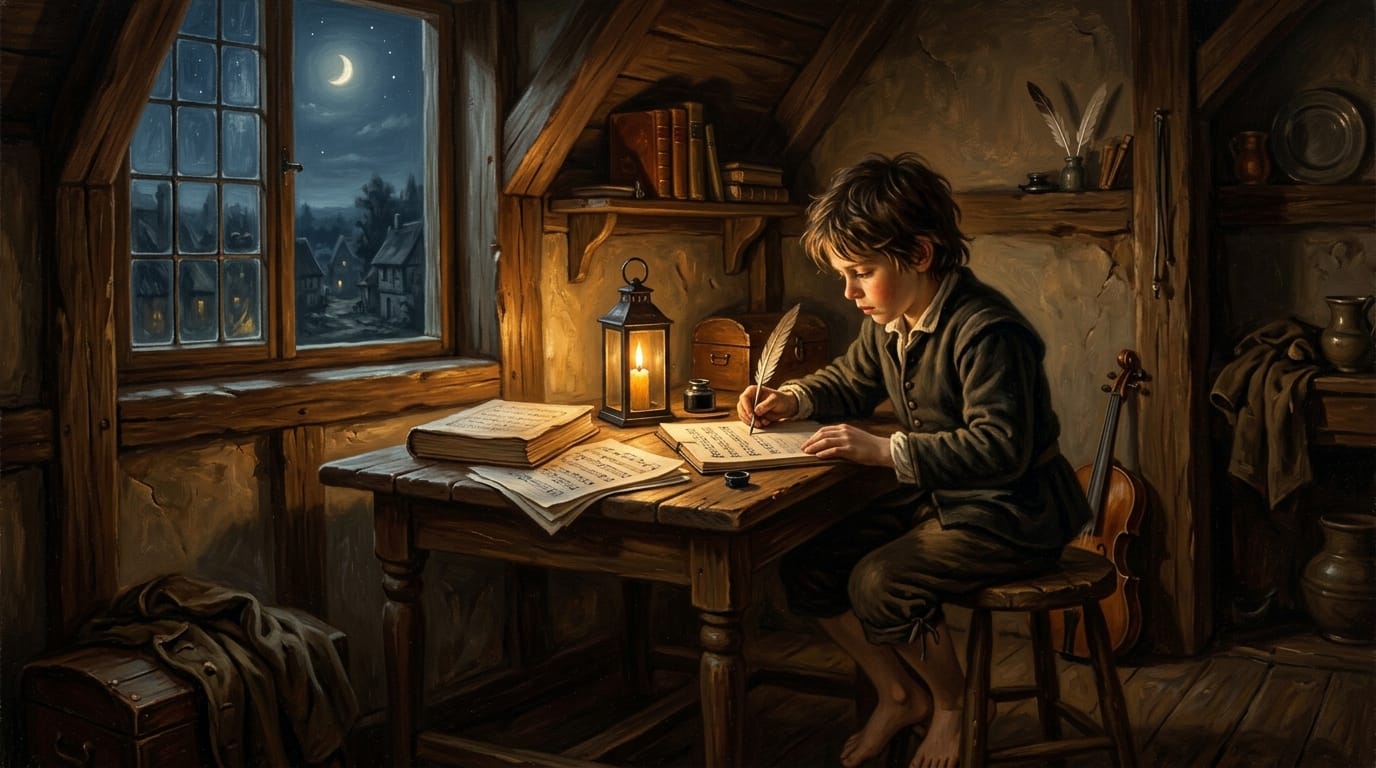
Bach's mother, Maria Elisabeth, died in 1694, and his father, Johann Ambrosius, followed only about eight months later, in February 1695, leaving ten-year-old Sebastian orphaned along with an older brother still at home. He was taken in by his eldest surviving brother, Johann Christoph Bach, who was organist at St. Michael's Church in the nearby town of Ohrdruf and had himself studied with the celebrated organist Johann Pachelbel. Under Johann Christoph's roof, young Sebastian received formal keyboard instruction and began building the technical foundation that would define his career, even as the double loss of both parents so early left a lasting mark.
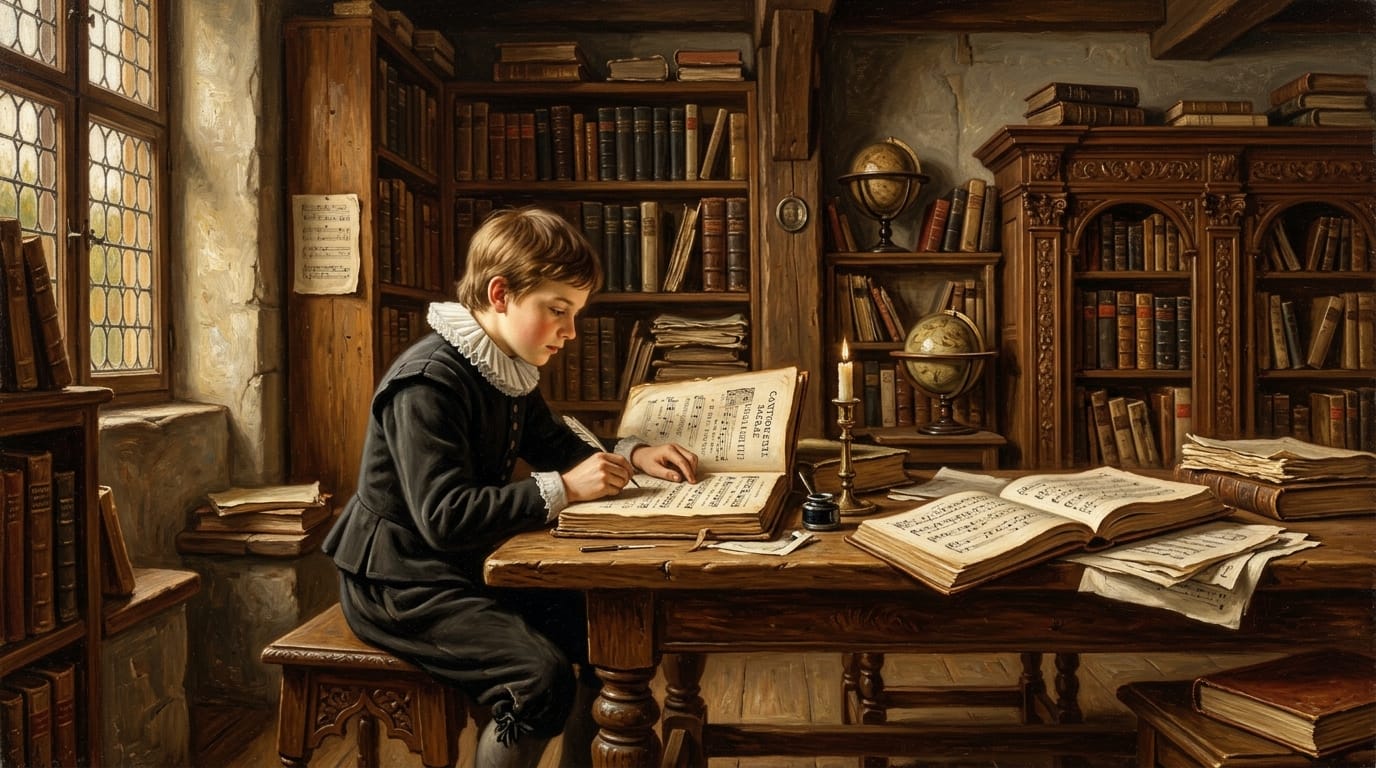
In 1700, at age fifteen, Bach traveled roughly 200 miles north from Ohrdruf to enroll at St. Michael's School in Lüneburg, where his fine soprano voice earned him a place in the Mettenchor, a choir of poor but musically gifted boys who received free room, board, and schooling in exchange for singing at services. At Lüneburg, Bach gained access to an exceptionally well-stocked music library and came into contact with the North German organ tradition through the town organist Georg Böhm, absorbing influences he would later fuse with the French and Italian styles he encountered elsewhere.
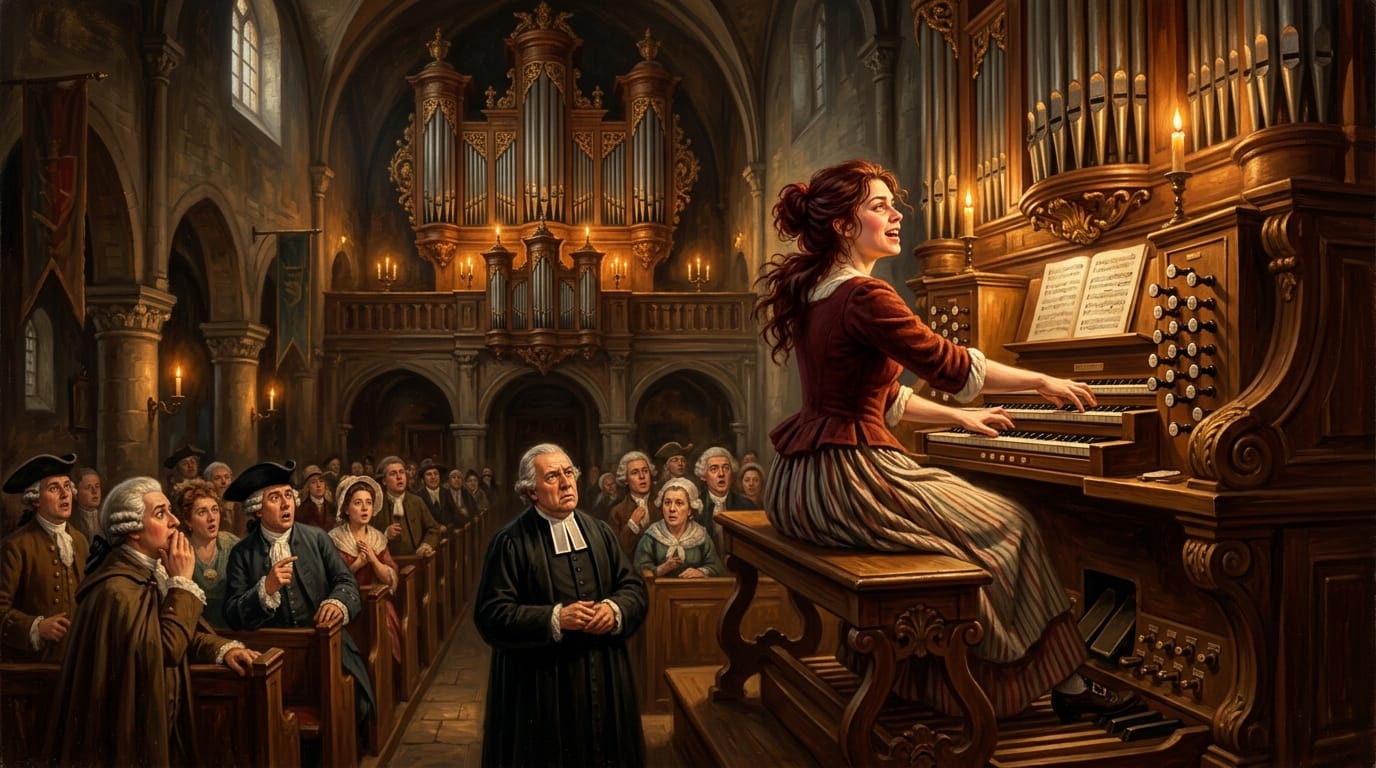
After a brief stint in early 1703 as a court musician in the chapel of Duke Johann Ernst III in Weimar, Bach was appointed organist of the New Church in Arnstadt on August 14, 1703, at just eighteen years old, drawn by the appeal of the church's brand-new organ and a generous salary. His talent was obvious, but so was his temper: church records from these years mention his impatience with the choir's poor singers and, in one notorious 1705 incident, a nighttime street confrontation with a bassoonist named Johann Heinrich Geyersbach, whom Bach had reportedly insulted, that escalated into a sword-drawing scuffle before onlookers separated them.
Curated Collections
The Masterpieces
Explore Bach's greatest works, categorized by genre.
Orchestral Suites & Brandenburg Concertos
The Well-Tempered Clavier & Goldberg Variations
Keyboard Suites & Partitas
Organ Works
Violin & Solo String Works
Concertos
Sacred Cantatas
The Great Passions & Oratorios
Mass in B Minor & Motets
Late Contrapuntal Summations
Every Known Work
The Complete Catalog
Every one of Bach's 171 known compositions, organized by type. Tap a category to open it, or search for a piece by name.