The Complete Collection & Life Timeline
Franz Liszt
Journey through the life and masterpieces of the piano's greatest virtuoso. Discover the stories behind music written across a life of dazzling showmanship, restless reinvention, and radical late-life experimentation.
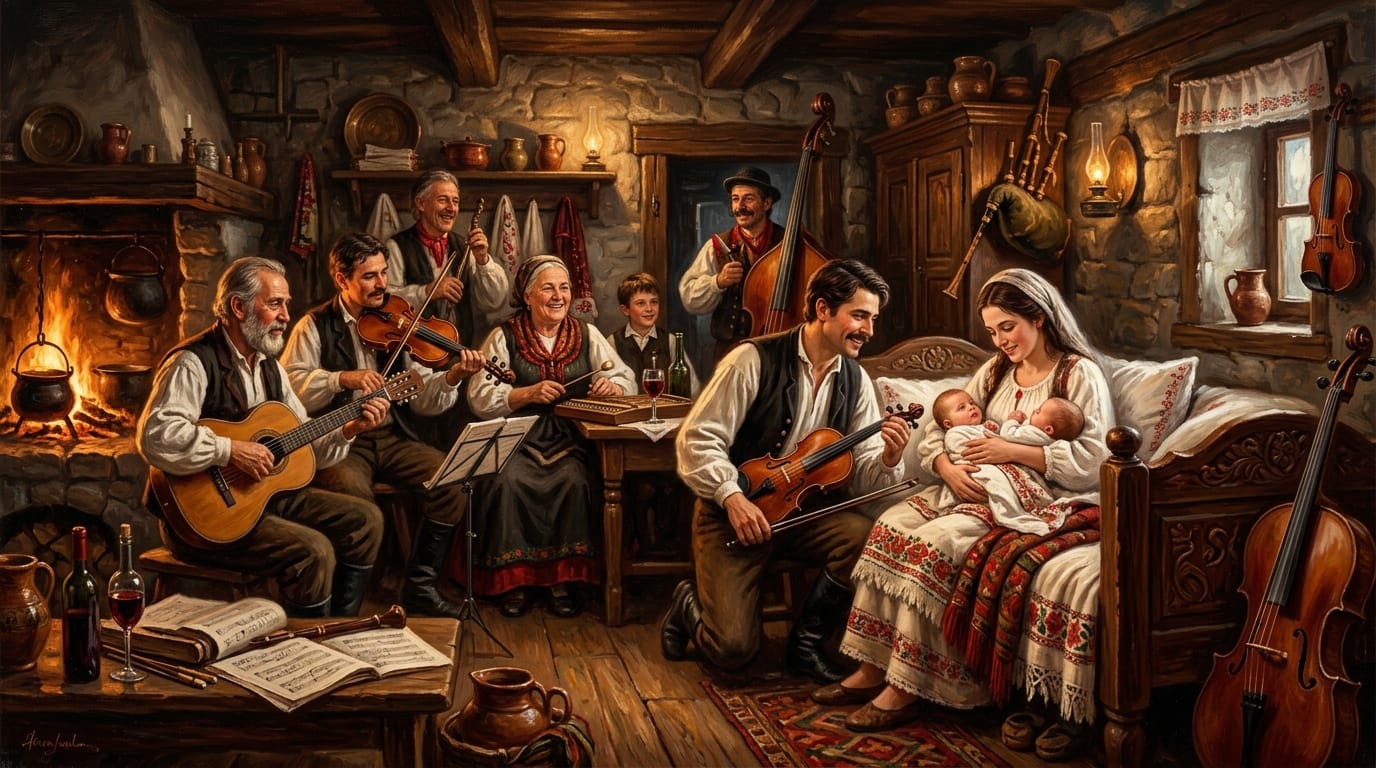
Franz Liszt was born on October 22, 1811, in Doborján, a small village in Sopron County in the Kingdom of Hungary (today Raiding, in the Austrian province of Burgenland). His father, Adam Liszt, was a steward on the estates of Prince Nikolaus II Esterházy — the same fabulously wealthy family that had employed Joseph Haydn for decades — and was himself a capable amateur musician who played piano, violin, cello, and guitar and had performed in the Esterházy orchestra. His mother, Anna (née Lager), came from Lower Austria. By the age of six Franz was reportedly reproducing themes he had heard his father play, and Adam began giving him piano lessons soon after, quickly recognizing that his son's gift was of an entirely different order from his own.
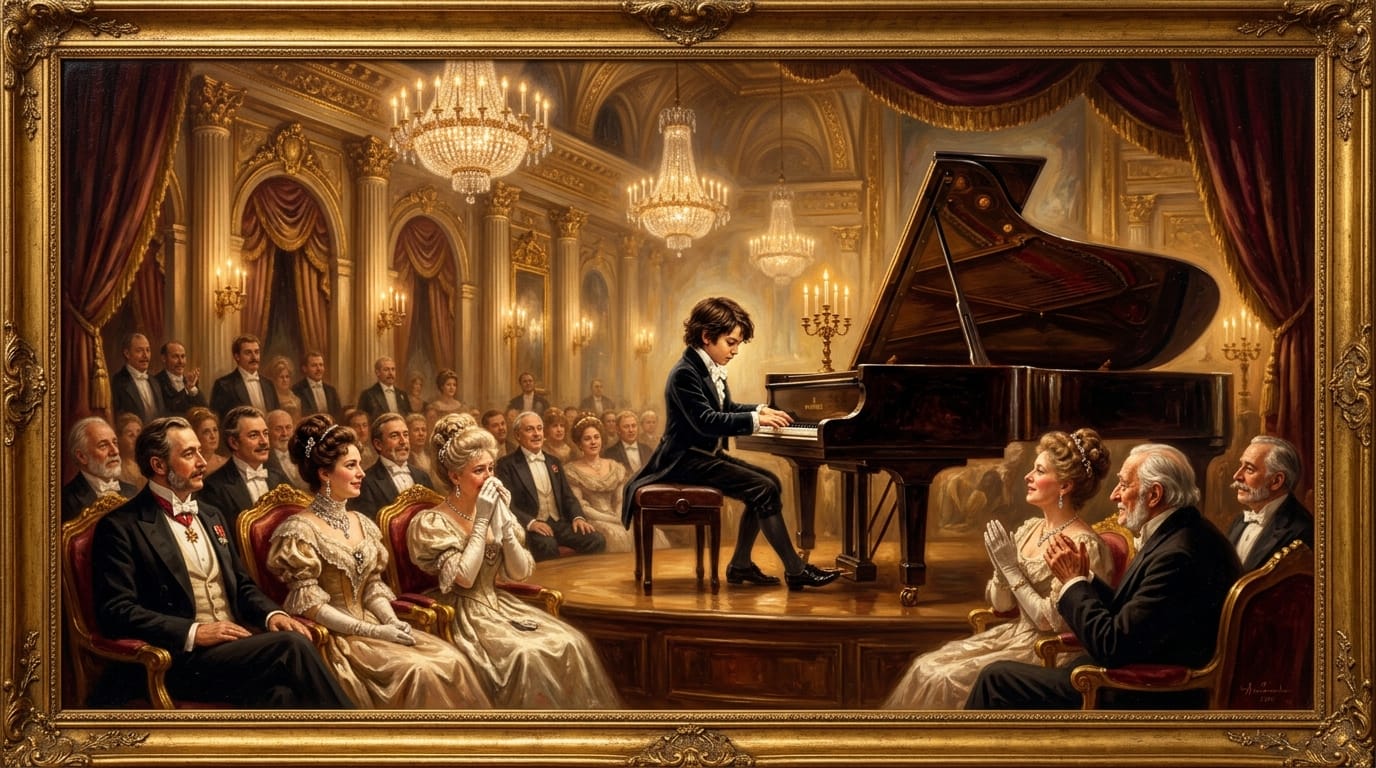
Liszt gave his first documented public performances in 1820, aged nine, in Sopron and then in Pressburg (Bratislava), where on November 26 he played at the palace of Count Michael Esterházy before an audience of Hungarian magnates. They were impressed enough that a group of them — including Counts Amadé, Apponyi, Szapáry, and Erdődy — pledged a stipend of 600 gulden a year for six years to fund his education. Adam Liszt took leave from his post and moved the family to Vienna, where Franz studied piano with Carl Czerny, a former pupil of Beethoven who was so struck by the boy's sight-reading and improvisation that he refused payment for the eighteen months he taught him, and composition with Antonio Salieri, music director at the imperial court. Liszt's Vienna debut on December 1, 1822, was a triumph, and in 1823 the eleven-year-old contributed a variation to Anton Diabelli's collective waltz project alongside Schubert, Czerny, and (separately) Beethoven.
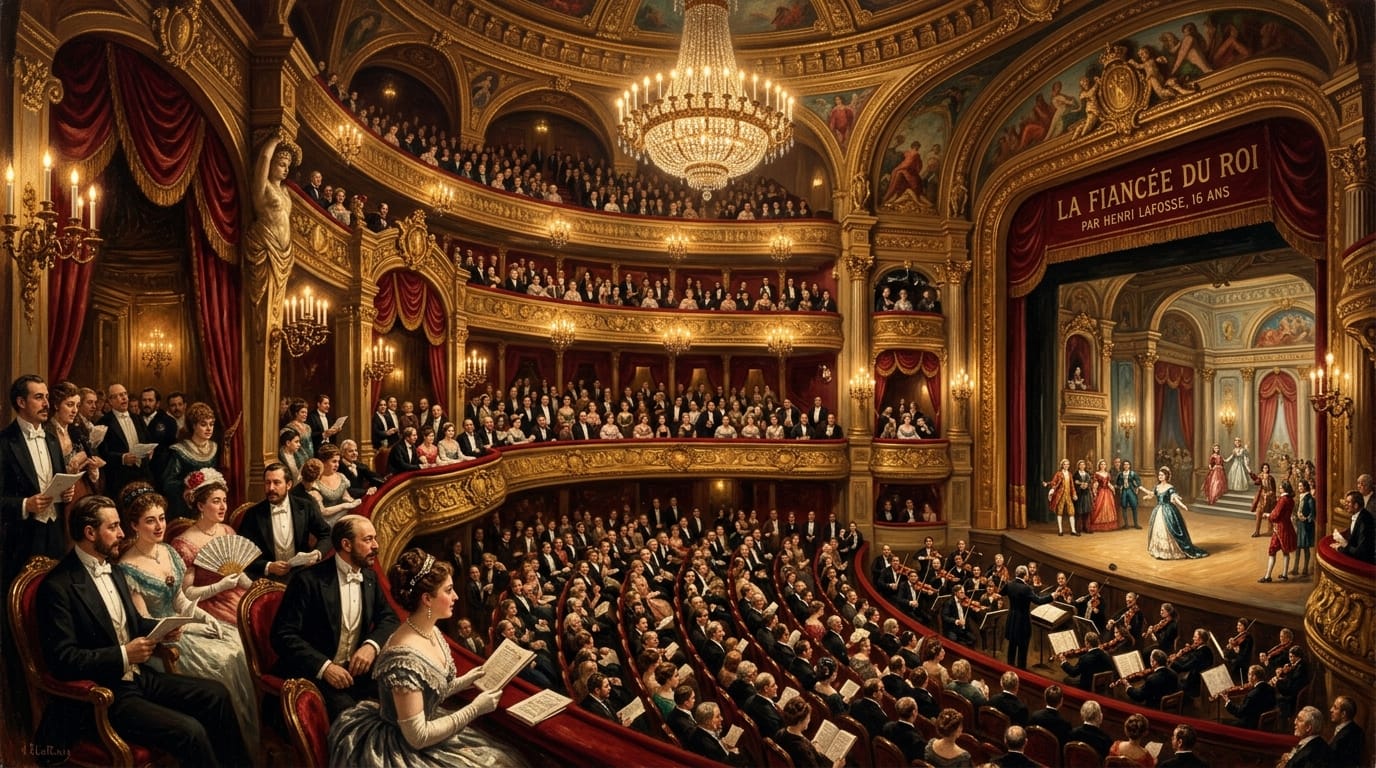
In the autumn of 1823 the family moved to Paris, hoping Franz could enter the Conservatoire, but its director Luigi Cherubini rejected him on the grounds that he was a foreigner — a rule Cherubini enforced strictly. Liszt instead studied composition privately with Anton Reicha and Ferdinando Paer, and made his Paris debut on March 8, 1824, to enormous acclaim; the French press dubbed him "le petit Litz" and compared him to the young Mozart. Between 1824 and 1827 he toured intensively, giving concerts in Paris, in the French provinces, and in England, where he played three times before George IV. Through Paer's theatrical connections he composed a one-act opera, Don Sanche, ou Le château d'amour, staged at the Paris Opéra on October 17, 1825, shortly before his fourteenth birthday; it survived only four performances, and Liszt never attempted another opera.
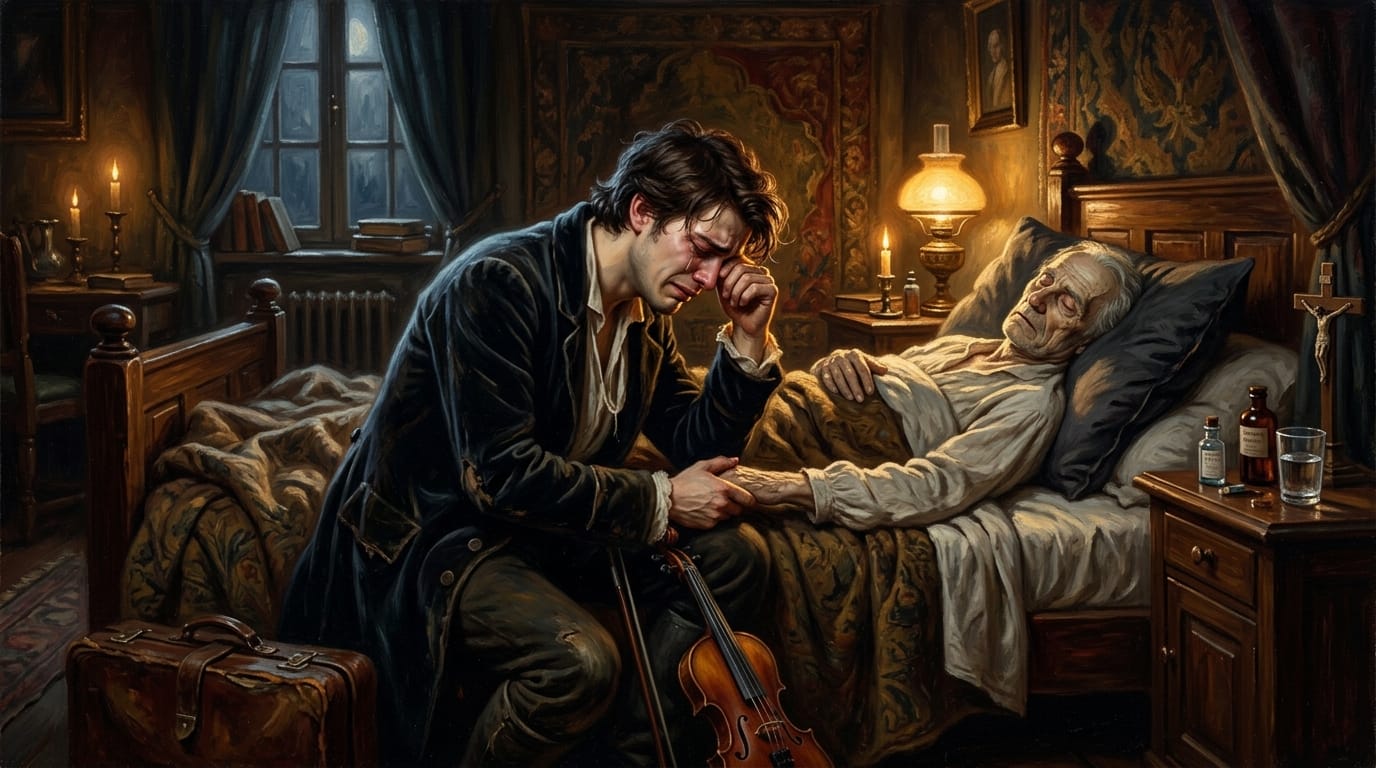
By 1827 the relentless touring had exhausted the fifteen-year-old Liszt, and Adam took him to Boulogne-sur-Mer on the Channel coast for sea bathing and rest. There Adam contracted typhoid fever and died on August 28, 1827, aged fifty. It was a shattering loss and a total reversal of circumstances: the father who had staked his career on his son's talent, managed every engagement, and directed every decision was simply gone, and Franz at fifteen became responsible for supporting his mother, Anna, whom he brought to Paris to live with him. He gave up the concert circuit almost entirely and turned to teaching, working long hours as a piano tutor to the daughters of the Parisian aristocracy and haute bourgeoisie — the trade that would sustain him for the next several years and shape his lifelong instincts as a teacher.
Curated Collections
The Masterpieces
Explore Liszt's greatest works, categorized by genre.
Virtuoso Studies & Showpieces
Hungarian Rhapsodies & National Works
Années de pèlerinage
The Sonata & Lyric Piano Works
Opera Paraphrases & Transcriptions
Symphonic Poems
Concertos & Symphonies
Songs & Lieder
Sacred, Choral & Organ Works
Late Experimental Works
Every Known Work
The Complete Catalog
Every one of Liszt's 216 known compositions, organized by type. Tap a category to open it, or search for a piece by name.