The Complete Collection & Life Timeline
Robert Schumann
Journey through the life and masterpieces of the great Romantic poet of the piano and song. Discover the stories behind music written through bursts of extraordinary creativity and deepening personal struggle.
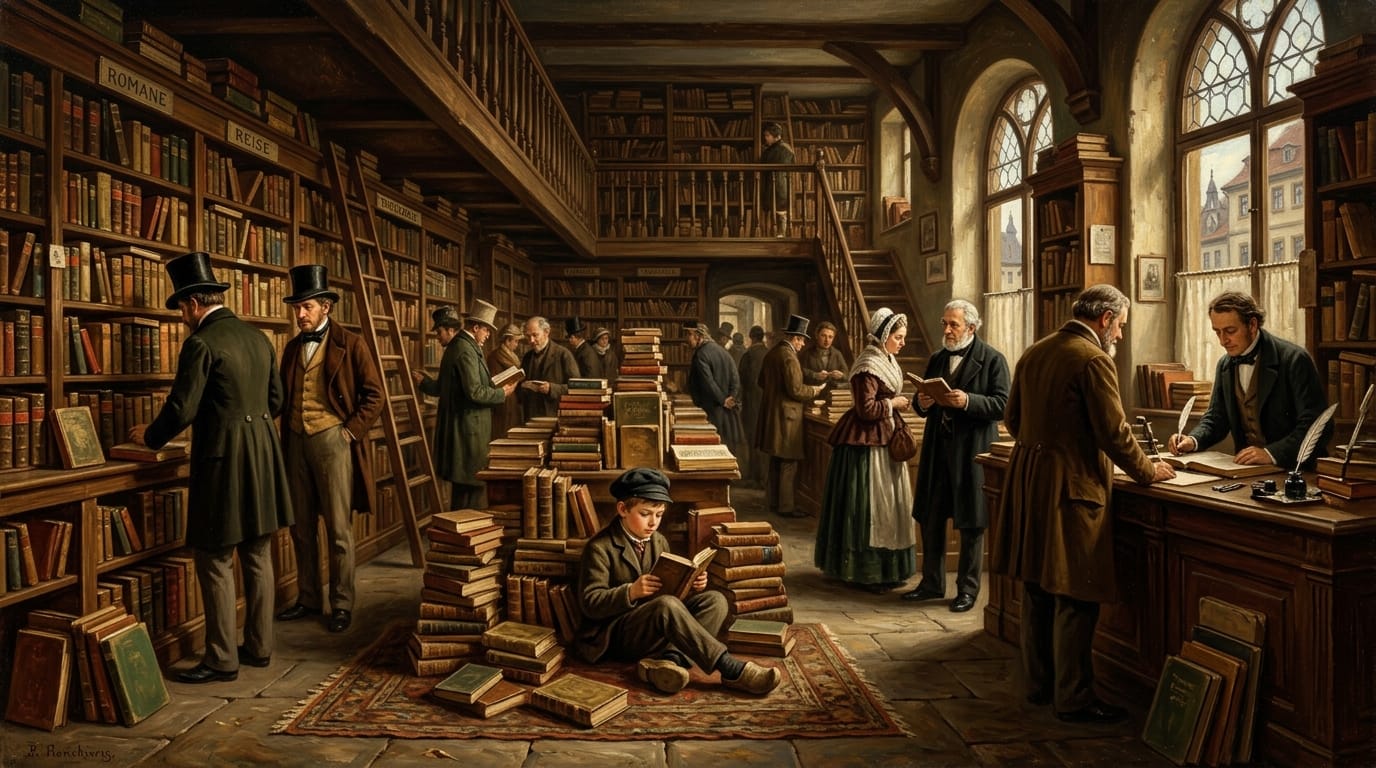
Robert Schumann was born on June 8, 1810, at Hauptmarkt 5 in Zwickau, a modest town in the Kingdom of Saxony, the youngest of five children of August Schumann, a bookseller, publisher, and novelist, and his wife Johanna Christiane. Growing up literally surrounded by his father's stock of books, Robert developed a passion for literature — especially the novels of Jean Paul — every bit as intense as his love of music, a dual devotion to words and sound that would shape his entire creative life. He began piano and organ lessons at age seven with the local organist Johann Gottfried Kuntsch, and was soon composing small pieces and even staging amateur performances at home.

Throughout the 1820s, while attending Zwickau's Lyceum, Robert Schumann threw himself into literature as eagerly as music, devouring Jean Paul and Schiller, writing poetry, and even editing homemade literary journals with schoolmates. His childhood was shadowed by grief, however: in 1825, his sister Emilie, who had struggled for years with depression and illness, died at just twenty-nine, and the following year his father August, whose health had already been declining, died as well, leaving sixteen-year-old Robert and his mother's household deeply unsettled. Schumann was reportedly so affected by his sister's death that he could never afterward bring himself to attend a funeral, not even, decades later, his own mother's.

Enrolling at Leipzig University in 1828 to study law as his family expected, Robert Schumann instead spent much of his time at the piano, taking lessons from the city's leading teacher, Friedrich Wieck, and devouring the music of Franz Schubert, whose death that November reportedly moved him to tears. After a year he transferred to the University of Heidelberg, where he continued to neglect his legal studies in favor of music, and in April 1830 he was electrified by a concert given by the virtuoso violinist Niccolò Paganini in Frankfurt. That summer, in a carefully composed letter to his mother, Schumann finally declared his intention to abandon law for a career in music.
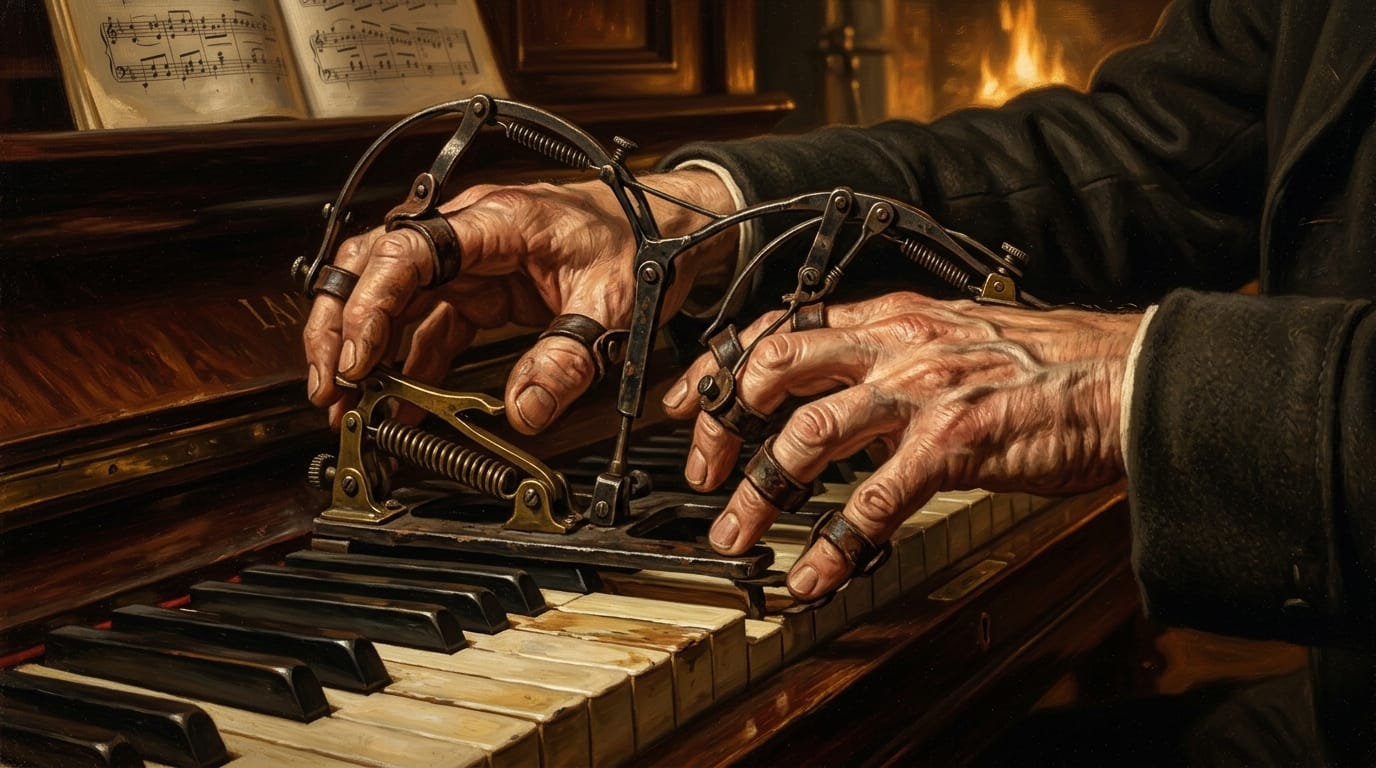
Having committed himself to music, Schumann moved into Friedrich Wieck's household in late 1830 to train intensively as a concert pianist, publishing his first work, the Variations on the Name "Abegg," Op. 1, that same year. Sometime around 1831–32, however, a weakness developed in his right hand, most likely in the middle and index fingers, that steadily worsened; Schumann himself blamed a mechanical finger-strengthening device of his own devising, though the underlying cause has never been settled and modern medical historians have proposed alternative explanations, including nerve damage or a reaction to contemporary medical treatments. Whatever its true source, the injury permanently ended any hope of a career as a touring virtuoso, and Schumann redirected his ambitions decisively toward composition instead.
Curated Collections
The Masterpieces
Explore Schumann's greatest works, categorized by genre.
Symphonies
Major Piano Cycles
Piano Miniatures & Character Pieces
Song Cycles & Lieder
Chamber Music: Quartets, Quintet & Trios
Chamber Music: Sonatas & Fantasy Pieces
Concertos & Orchestral Showpieces
Choral & Dramatic Works
Every Known Work
The Complete Catalog
Every one of Schumann's 125 known compositions, organized by type. Tap a category to open it, or search for a piece by name.